As the bell rings at the end of the day and students pile out of the classroom, history teacher Laura Sifford looks over at her classroom’s bookshelf with the same question she’s had for weeks: “where do I even begin?”
On July 29, House Bill 805 was ratified. In regard to education, the bill amends Chapter 115 of North Carolina General Statute. Noting that, for parents’ sake, schools must document any books that students have access to in the classroom.
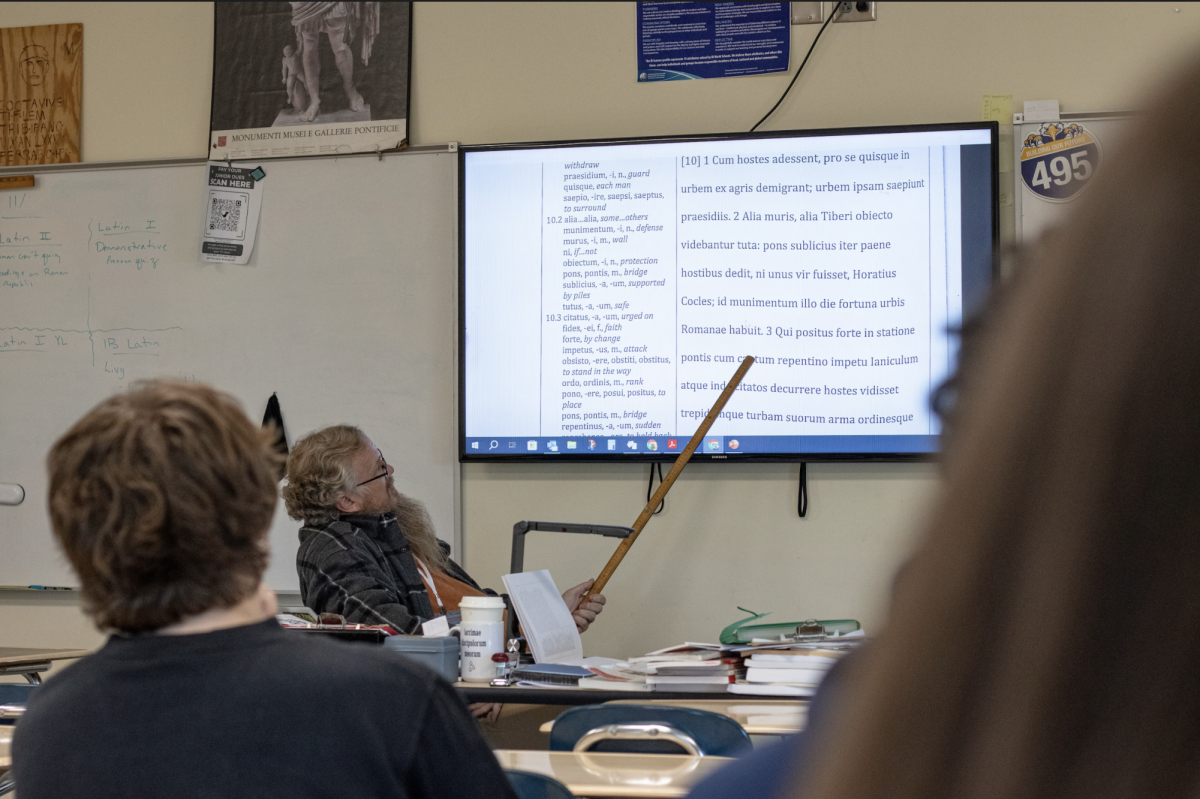
The impact of this legislation can already be seen an East as teachers like Sifford work to catalog their classroom library books and add them to a rapidly growing spreadsheet. It’s an extensive list of titles and authors, with each teacher’s name as a separate sheet for the parents’ convenience. Supporters are pleased with the clarity of this legislation, while others are concerned it may lead to censorship.
“All I’m trying to do is get kids to read. If we’re studying World War II, I want them to read something that goes along with that so they actually care about what they’re studying,” Sifford said.
Many educators believe that books can allow us to look into the past with empathy, even when it’s uncomfortable. Teachers worry that limiting access to books for students might lead to a world where information becomes less accessible by the day. Media about censorship and critique of authority being limited are prominent concerns.
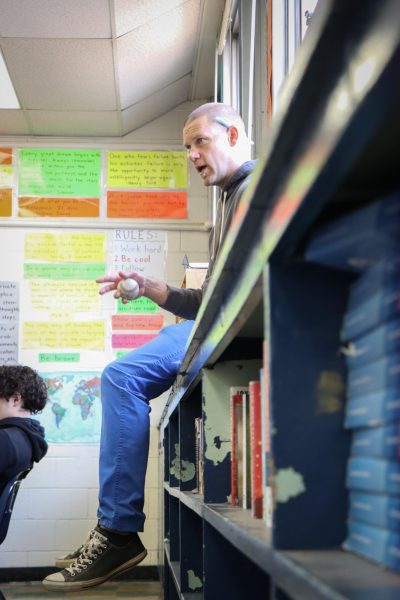
“Being a historian and an English teacher, I’m very familiar with Fahrenheit 451 and what happens when we start being concerned with the specific book that a specific teacher has,” Sifford said.
Civic literacy teacher Grace Kindt shares similar concerns about the policy. “Right now, there are no repercussions for certain books– but that’s now,” Kindt said.
“Who knows if certain teachers will be targeted for books they have in their classroom in the future? I would say I’m very wary about the future for educators and students alike in terms of academic freedom.”
One teachers have scanned all of their books and added them to their spreadsheet, it will be posted on East Meck’s school website, where parents can search for the books in each teacher’s classroom.
Some parents are pleased with House Bill 805 because its transparency gives them the power to monitor what their student see in the classroom. For example East Neck parent, Tremaine Simmons. “I think parents need to know what their children are being taught,” Simmons said. Other parents believe that it can harm children’s by incentivizing them to digest difficult topics on their own.
“If I try to censor what my kid reads, they’re probably going to stop asking me questions– which would do more harm than intended,” said Kathyrn Dunn, a civics teacher and mother.
Principal Steven Drye empathizes with parents who support the bill and the transparency it provides. “It’s one of those things where there’s this desire to protect people from something,” Drye said. “I think it’s just meant to give parents more access so they can see what kids are exposed to in schools.”
Politics have always been intertwined with education. Legislation like House Bill 805 affects students directly, and the political actions of students can bring attention to issues students face. An example is Hazelwood vs. Kulmier, a landmark case from 1988 in which journalism students from Hazelwood East High School argued that their articles were being censored.
While the students lost, the questions about freedom of speech that arose from this case inspired people for years to come. House Bill 805 is just another reminder of the relationship between politics and education, and if history is anything to go by, it won’t be the last. “I’m just concerned it’s not the right answer,” Sifford said. “I’m willing to do whatever needs to be done, but right now students are the only ones being harmed.”