


Humor is everywhere- it even touches the darkest parts of history. But does laughing at it make the hurting any less real?
Once an event feel like old news, it becomes socially acceptable to joke about it, even when the trauma connected to those moments still shapes people’s lives- like 9/11, slavery or a suicide.
So, does tragedy expire, or is it our empathy that does?
People fail to realize that tragedies don’t operate on an imaginary timer. The impact of tragedy can last through families and communities for generations.
Turning these devastating events into corny punchlines doesn’t actually reflect progress; it shows a sense of detachment that’s developed over time. While some people like to believe that making jokes helps people cope, coping shouldn’t have to come at the expense of those who still feel that loss.
The conversation shifts when dark humor enter the discussion. A lot of the media we consume nowadays incorporates it. Many comedians, like Kevin Hart, Dave Chappelle and Ricky Gervais make a display of it.
These comedians don’t joke about tragedies mindlessly- they use their humor to make sense od difficult topics and highlight absurdities in society as well as within the system.
Not every joke about serious topics come from a place of cruelty or ignorance. Humor can be how people process experiences that feel too substantial to handle directly. Dark comedy can still be uncomfortable to those affected, but discomfort doesn’t always equal disrespect. Intention plays a significant role here.
The difference is that ignorant ‘jokes’ about tragedy are insensitive because they use real people’s suffering as entertainment. They ignore the experiences of those whose lives been changed, mock the pain and reinforce stereotypes.
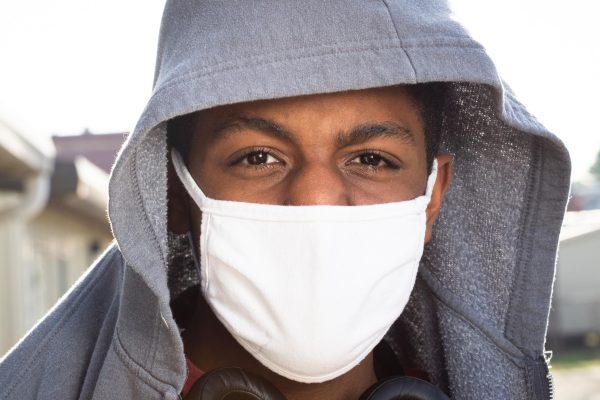
Sayed Hashemi, a freshman Muslim student who moved to the U.S. around two years ago commented, “I mean, I get why people laugh, but for me it’s still kind of personal,” when asked about jokes targeted at tragedies like 9/11. “People start looking at you a certain way and I think that’s because they start subconsciously believing the things they joke about, not [viewing] you as a normal person.”
While time has passed since the devastation of 9/11, teen suicide is not a distant tragedy. It is an issue some students confront daily.
Suicide is something students joke about yet consider more than they’d ever let on. Lisandro Valdivia Saucedo, a counselor at East Meck, says one of the biggest changes he’s seen over the years is how casually students talk about the issue.
“I hear kids make joke about killing themselves here and there,” Saucedo said. “Most of the time they don’t mean it, but the fact that it comes up so easily says a lot. All good jokes contain truth.”
He explained that what used to be a topic we’re told to tread lightly on, has become part of normal, almost everyday humor for some students.
“Honestly, I think that joking is easier than admitting they’re stressed or hurt,” Saucedo said.
Another tragedy that has been consistently treated as a joke is slavery- a topic with generations of violence and dehumanization behind it.
Andrew Bartkowiak, East Meck’s AP African Studies teacher, says people often forget how sensitive the topic of slavery still is.
“Context really matter,” Bartkowiak said. “Coping [through] humor has a purpose, but those random one-liners can be really insensitive.” Even though time has passed, he believes more people need to recognize how racism and slavery still shape laws, culture and institutions today. Bartkowiak emphasized that people should be mindful of their words. “You don’t know who could be offended or who might see it as ignorant.”
While jokes can be used to highlight the resilience in these communities, they can also augment stigma when it causes people to overlook actual struggles. Language shapes thought and with that comes the ability to strip empty. The impact from this lingers far longer than any laugh. It’s less about nit-picking every word that’s used and more about thinking about how we approach the past and address it in a way with awareness and care.


salvador p • May 21, 2026 at 1:21 pm
Reading this article had me thinking, sure, a lot of people joke about the tragedies that happened years ago because one, they didn’t experience them and didn’t witness the event in real time, and second, there should be a line that shouldn’t be crossed, more notably joking about the people who passed away because they had families and friends to go back home to. So yes, the tragedies that happened are terrible, and yes, some people use it to cope, but it shouldn’t be a joke about it like it never happened
Ethan • May 11, 2026 at 9:26 am
This is a deep article which really goes into the pain that tragedies bring upon us as a society. Suicide and other such issues are often taken lightly and are used I’m casual jokes. This is a serious issue as this undermines the pain which such events bring upon families and a community.
Alex Broadway • May 5, 2026 at 1:48 pm
I do believe that my generation in paticular is very unempathetic and highly empathetic at the same time. It’s very strange to me. I lost my mother at a tender age and I am deeply affected by it till this day. However my siblings often make jokes about how we no longer have a mother. Logically I know it’s their way of coping and they don’t mean to hurt me, but sometimes I can’t help but be irritated at people’s lack of empathy and respect for a traumatic situation.
Mr. Johnson • Apr 29, 2026 at 8:57 am
While I appreciate dark humor, I have mixed views on things that are intentionally provocative. What’s the threshold for trolling?