


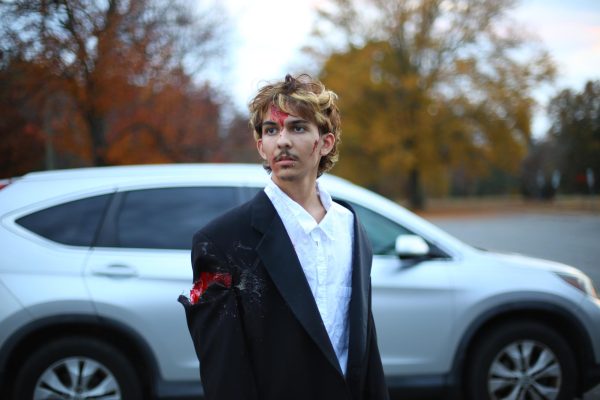
It’s an April morning and students are gathering around the school parking lot, unprepared for what they are about to witness. Before them are two completely wrecked cars. Inside, they see their classmates dressed in prom attire, stained red.
A party ambiance is created as music and a drunken conversation play over the speakers. One voice assures “I can drive home.” Suddenly, the sound of tires screeching echoes across the lot. Students listen with fear as one of the injured drivers call 9-1-1.
The noise is sirens inches closer as an ambulance pulls into the school. The EMT attempts to save an unconscious victim. The school hosts a funeral the next day.
None of this is real, of course. The “victims” are student actors, and the first responders were hired by the school. This event, meant to display the consequences of drunk driving, is known as a “mock crash,” and it is nothing short of elaborate.
This type of “shock-education” originated in the 1950s when school administrators realized that verbal lectures were not effective at preventing careless driving.
As a solution to this inefficiency, high schools adopted a new method: playing “scare films” for students. These scare films were between 15 and 30 minutes long, usually containing graphic footage of car crashes. Some variants featured a complicated love story sprinkled with affairs and betrayal. Then, in the last minute of the film, the producers remembered their objective and had some characters drive into a tree.
The shock factor and visual elecment of the films were supposed to make the messaging stick with studenbts, but there is no evidence of this strategy working. We can assume this has something to do with so many films prioritizing entertainment over educational value.
After 40 years, the lessons evolved into over-the-top, theatrical performances through a program called “Every 15 Minutes.” Since then, this program has been collaborating with schools across the country to make these productions come to life.
Each school approaches the project differently. Some schools use stretchers, hydraulic resuce tools, smoke machines, and helicopters. Some even extend the assembly into an overnight retreat; like a sleepover with your friends, but instead of prank calling Burger King, you are forced to have a 40-minute reflective conversation with the “victim’s” mom over the phone.
The question is, does all the time and energy put into the assemby produce real results? And if so, should East Meck invest in its own version of a mock crash?
In studies testing the impact of mock crashes on teen alcohol awareness, it was found that students were more likely to consider the risks of drunk driving after the reenactment program. But that research doesn’t point to any concrete reduction in deaths from impaired driving.
And if we’re being honest, the whole premise seems sort of…weird. Right? High school students are forced to watch their friends be taken away in a funeral car and then go back to class as if it is just another Tuesday. And for those who walk away unaffected, that means the message was not truly absorbed.
The fact remains, though, that motor vehicle crashes are the leading death cause of death for teenagers in the U.S. So, while witnessing the assembly might be strange and disturbing, any efforts to reduce the chances of an accident should be seriously considered by high schols, including East Meck.
If seeing a classmate’s “corpse” isn’t enough to scare you from irresponsibly driving, what will?


